Crypto transactions can't be reversed. That's part of what makes crypto useful, but it also makes it attractive to scammers. Once you send coins to the wrong person, getting them back is usually impossible. The good news is that most scams follow a few familiar patterns, and a handful of habits will protect you from nearly all of them.
1. Fake bank alerts
In P2P trades, a buyer "pays" you and sends a convincing screenshot or an SMS alert. You release your crypto, and later discover no money ever arrived. Fake alerts and edited screenshots are among the most common scams Nigerian sellers face.
- Never rely on a screenshot or SMS. Confirm the money in your actual bank app or balance.
- Wait until the funds have fully landed before releasing anything.
2. Impersonators and fake support
Scammers pose as customer support on WhatsApp, Telegram or social media, often after you post a complaint publicly. They offer to "help" and ask for your PIN, password, one-time code or seed phrase.
3. Rates that are too good to be true
If someone offers far above the market rate, ask why. Inflated rates are a classic hook to get you to send first. Check the real market price on a trusted page like our crypto to naira rates before you trade.
4. Address swaps and wrong networks
Some malware swaps a copied wallet address for the scammer's own. And even without malware, sending on the wrong network can lose funds. Learn the difference in our USDT networks guide.
- After pasting an address, check the first and last few characters match.
- Confirm the network on both the sending and receiving screens.
- Send a small test amount first when moving a large sum.
5. "Send first" pressure
Scammers create urgency: the offer expires in five minutes, or they're a "trusted" dealer a friend recommended. Pressure is a red flag on its own. A legitimate trade can wait for you to double-check.
How Pyker reduces the risk
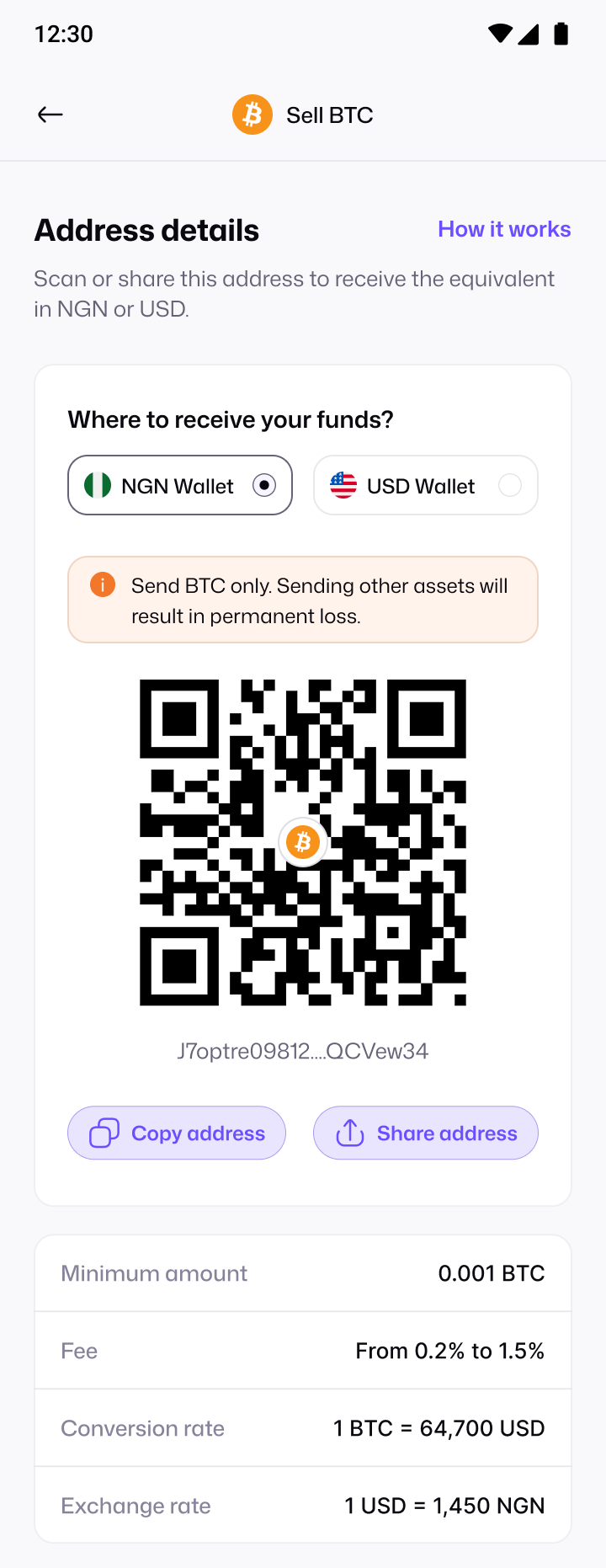
Selling to a verified service removes the stranger from the trade entirely. On Pyker, you send crypto to your own deposit address and your wallet is credited automatically. There's no buyer to send a fake alert.
- Every account is verified with BVN and a liveness check.
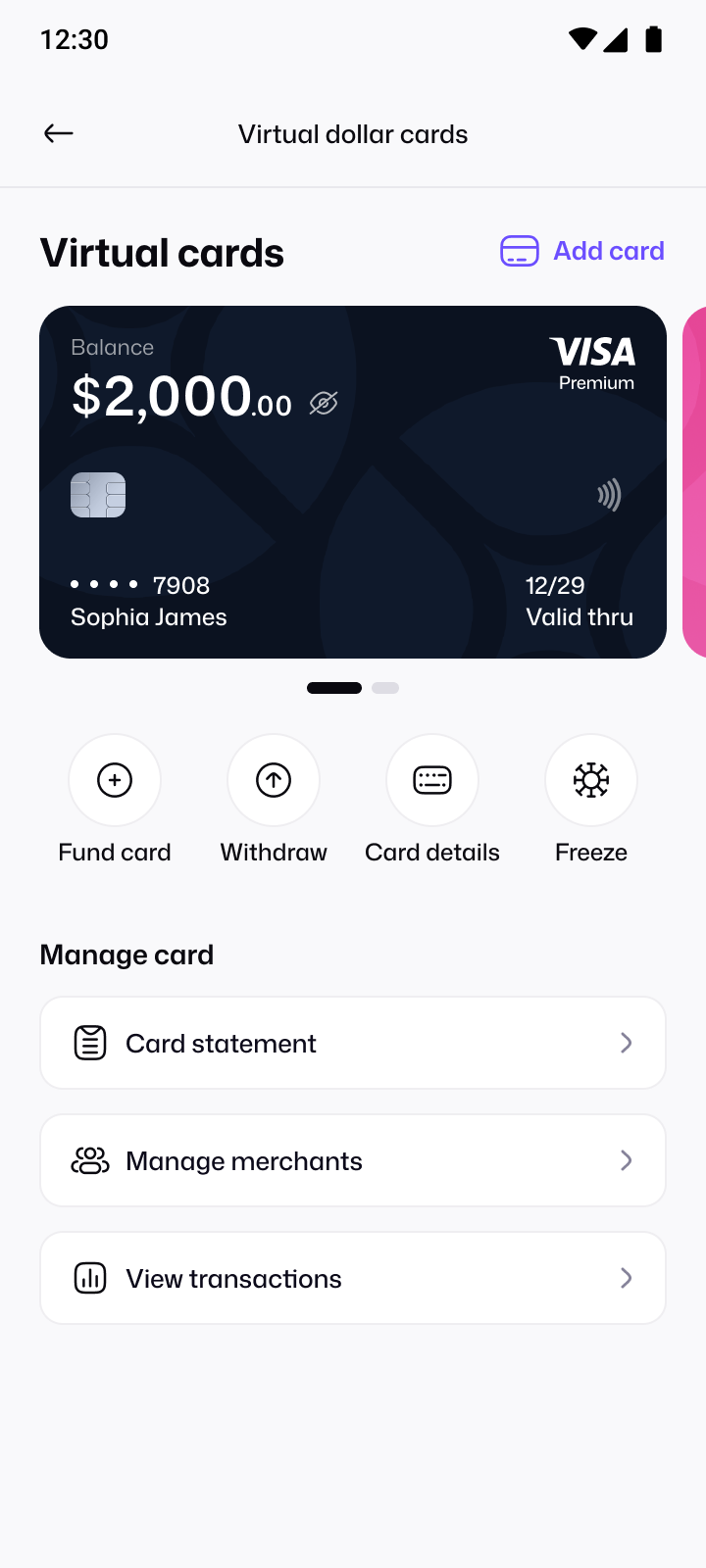
- Your PIN is required for withdrawals and to reveal card details.
- You can track every sale from payment detected to funds credited, with a receipt.
6. "Doubling" and investment schemes
Offers to double your crypto, guaranteed daily returns, or "account managers" who trade for you are almost always scams. They often pay small early returns to build trust, then disappear with larger deposits. If an opportunity promises fixed, high returns with no risk, walk away.
7. Fake apps and phishing links
Scammers copy the look of real apps and websites, then share links by SMS, email or social media. Once you log in, they capture your details.
- Download apps only from official stores. Pyker's official app is on Google Play.
- Type website addresses yourself or use bookmarks, instead of clicking links in messages.
- Check the web address carefully. Fake sites often use small spelling changes.
What to do if you've been scammed
- Stop sending money. Scammers often ask for "fees" to release your funds. Don't pay them.
- Secure your accounts. Change passwords and PINs, and freeze any cards that may be exposed.
- Gather evidence. Save screenshots, transaction IDs, wallet addresses and chat history.
- Report it. Tell the platform involved and report to the police or the EFCC.
- Warn others. Sharing what happened helps protect friends and family.